Kickstart your space idea


The new space industry is experiencing a period of massive growth and diversification, both in terms of technological advancements and market dynamics.
Have you ever dreamed of exploring space through your own experiments or starting your own space-related project?


Earth Observation Data Bottleneck
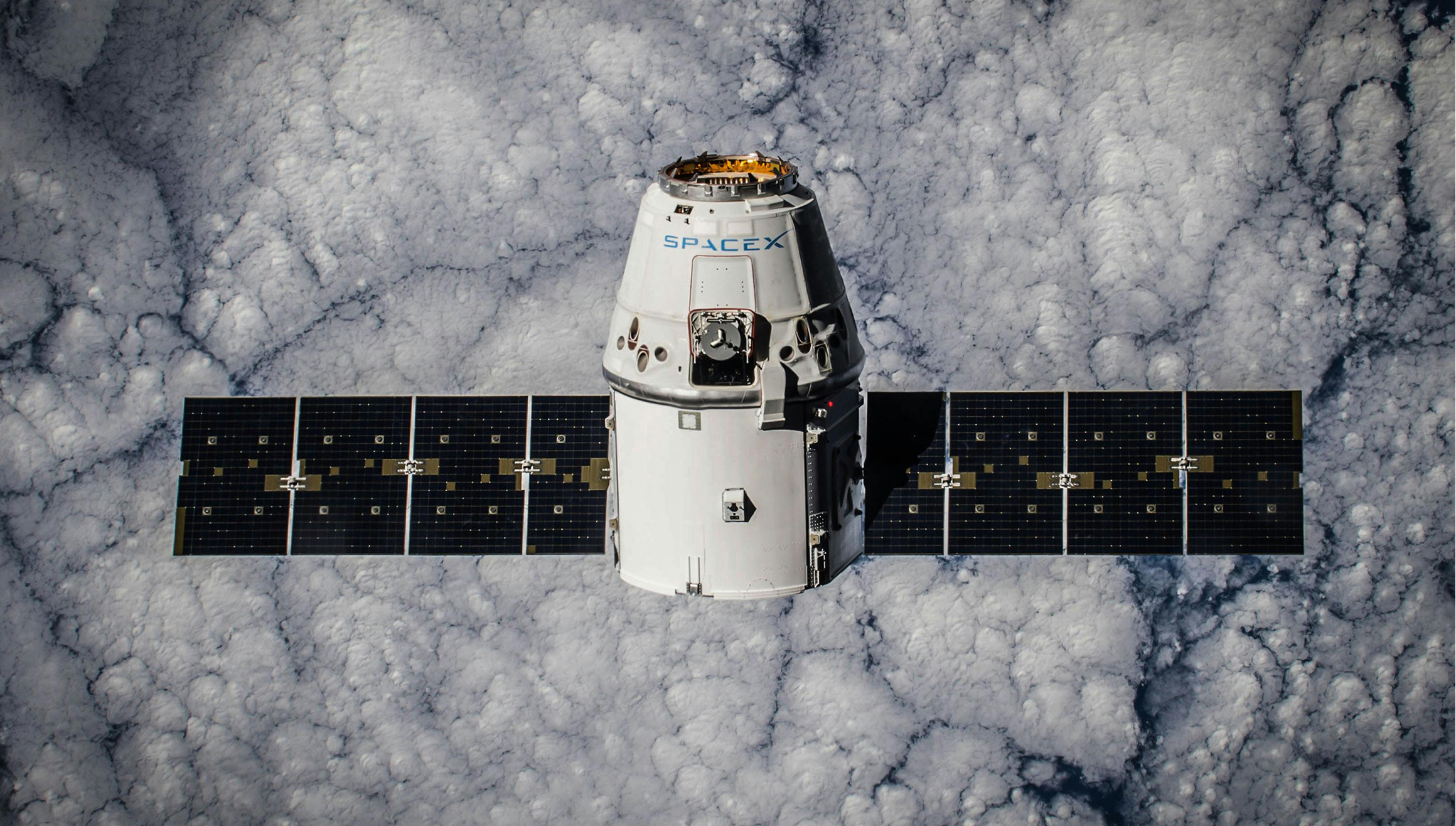
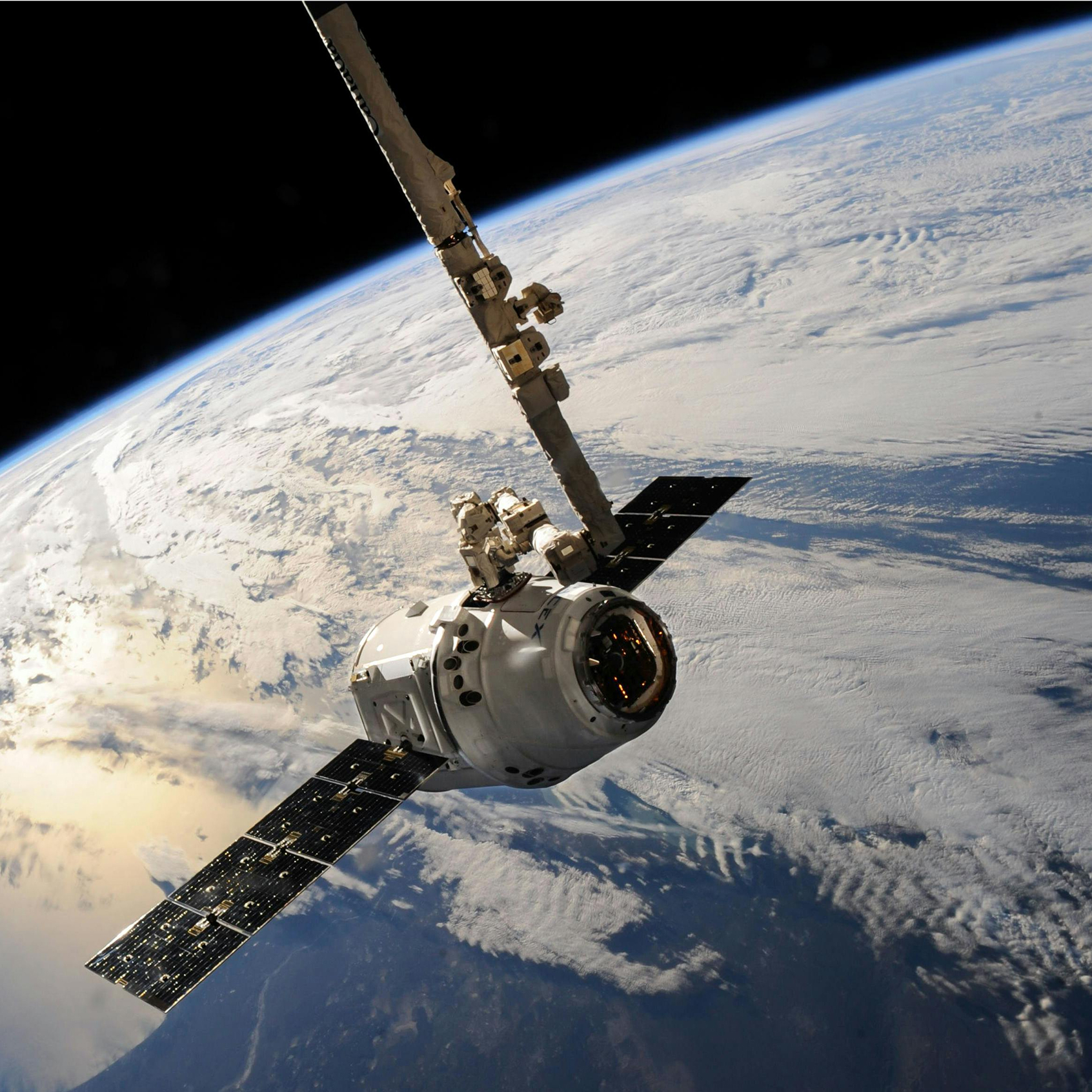
The volume of satellite imagery is growing exponentially, but manual analysis is too slow to enable timely responses.
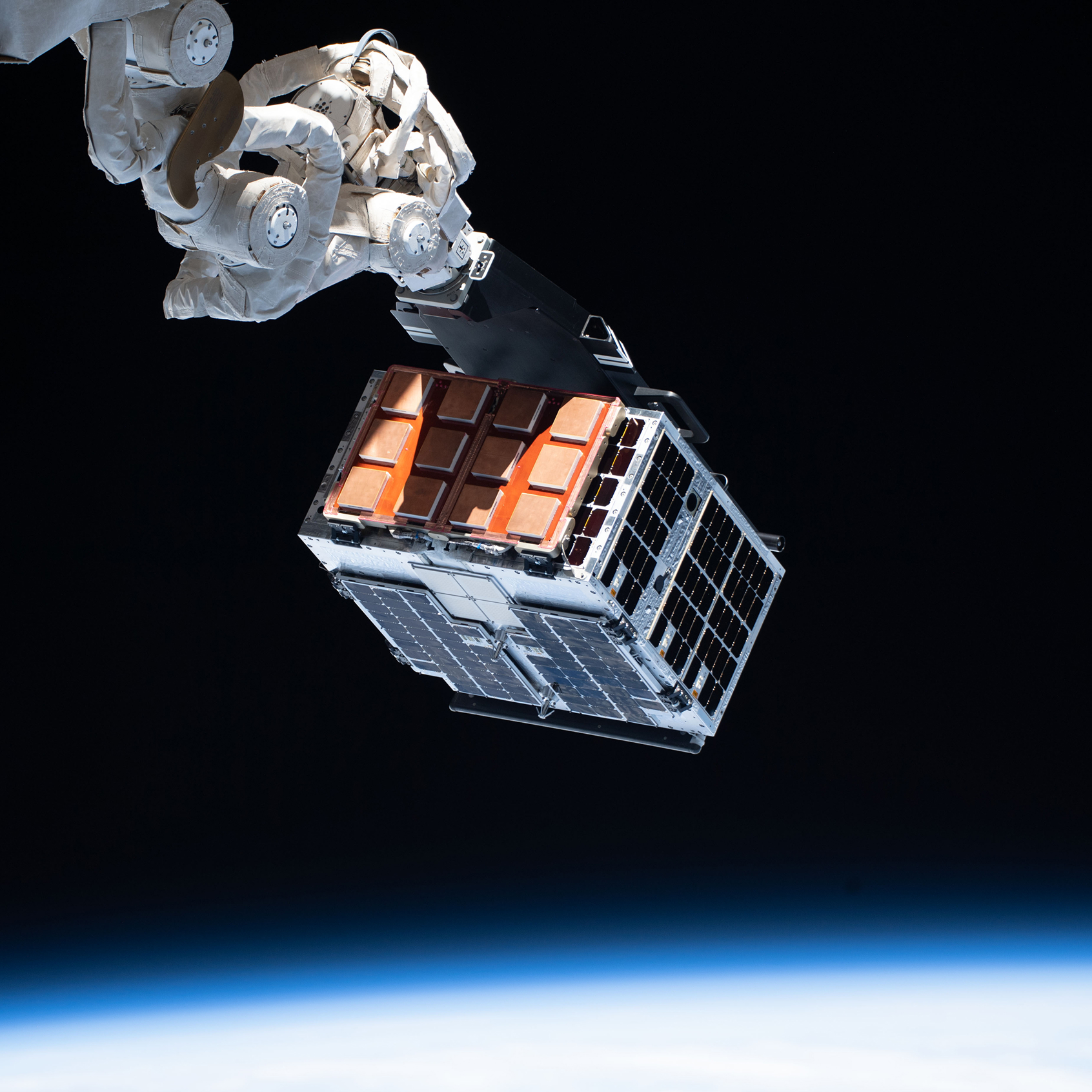
Thermal Constraints in CubeSats
CubeSats have extremely limited mass and surface area for active cooling. Without well-designed passive thermal systems, onboard electronics are at high risk of overheating or freezing.
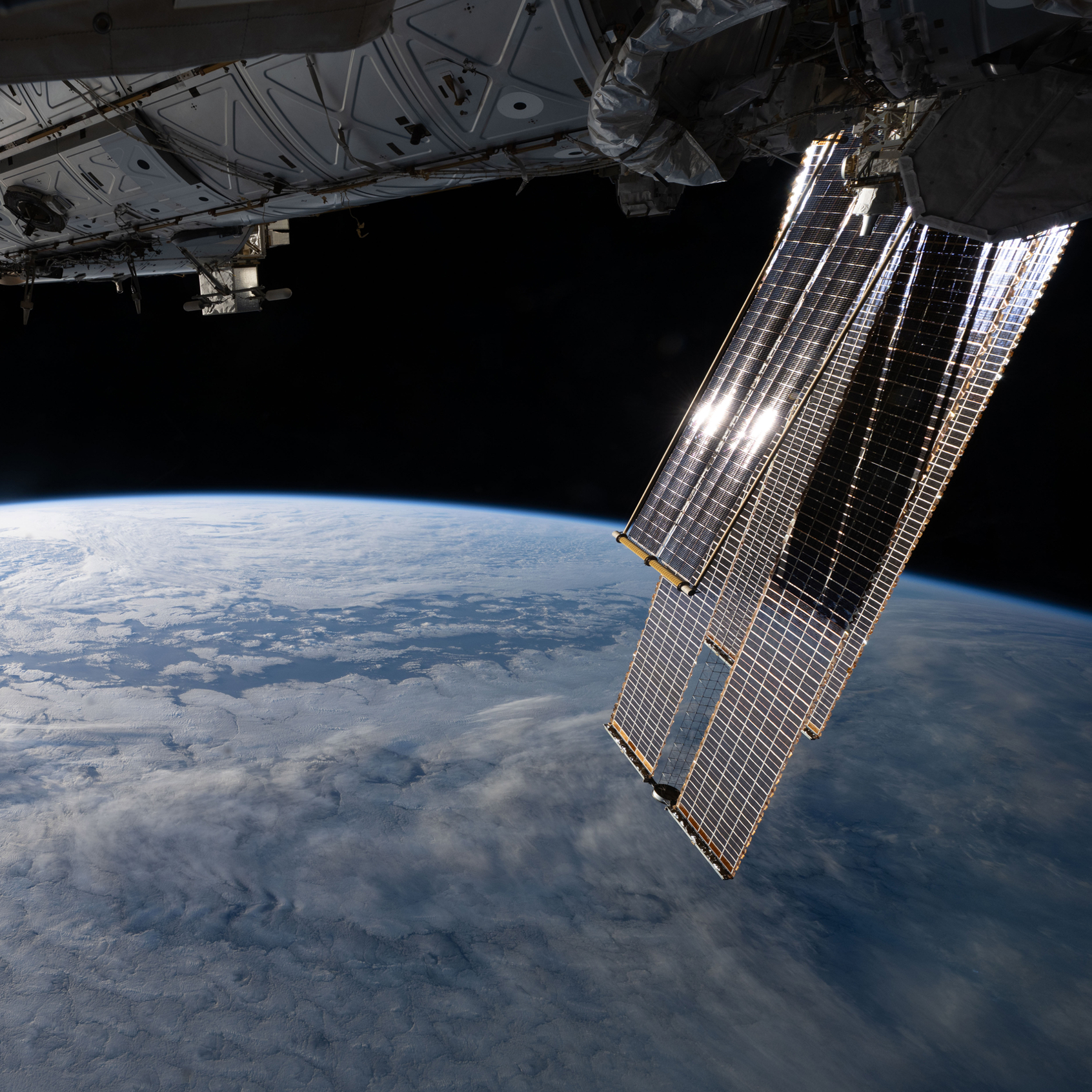
Space Debris Collision Prediction
Satellite operators lack real-time, data-driven methods to reliably predict and avoid collisions with space debris, especially in increasingly crowded orbits.
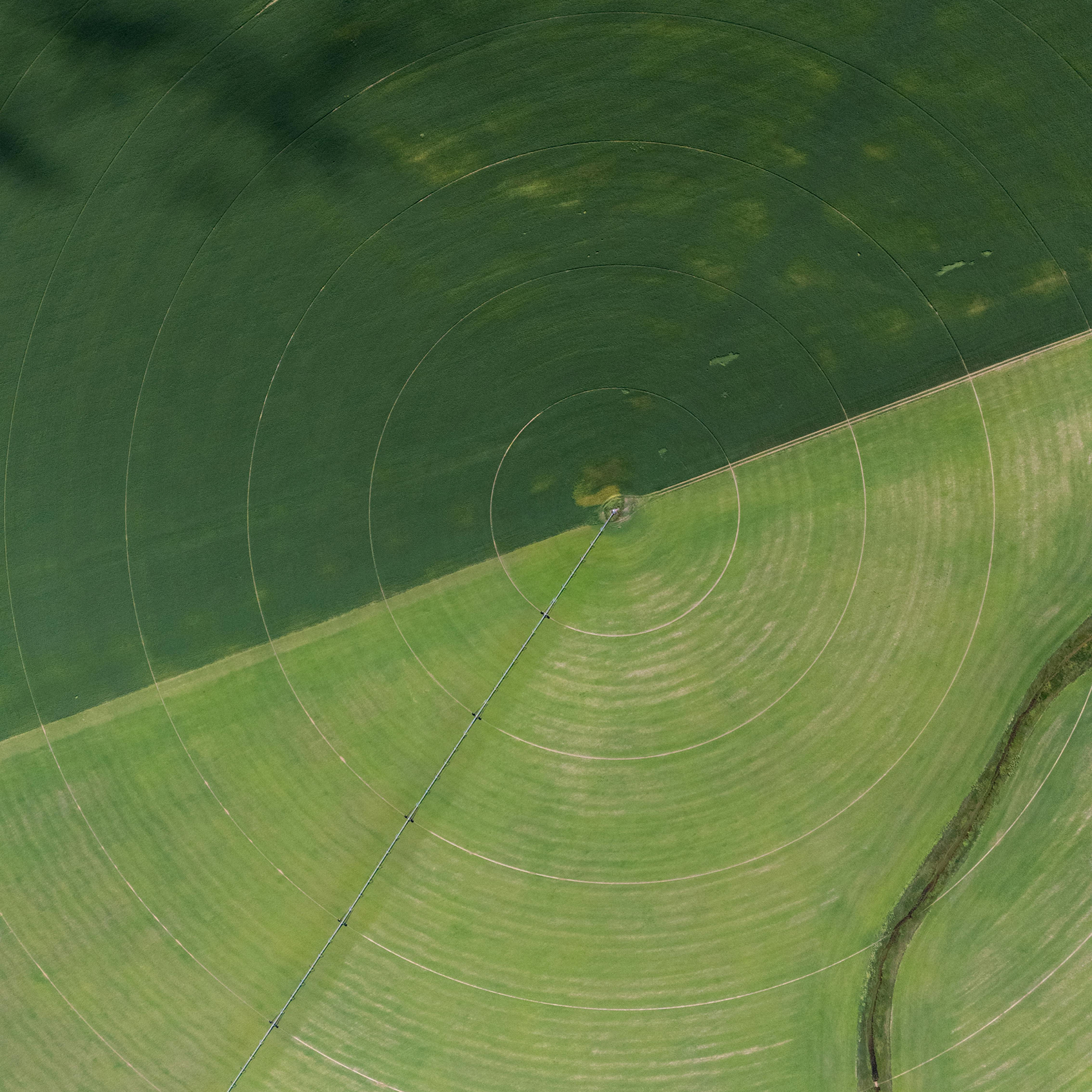
Regolith Toxicity and Food Production
Martian and lunar regolith is sterile and toxic to plants. Without biological activation, sustainable food production for long-term missions is not feasible.
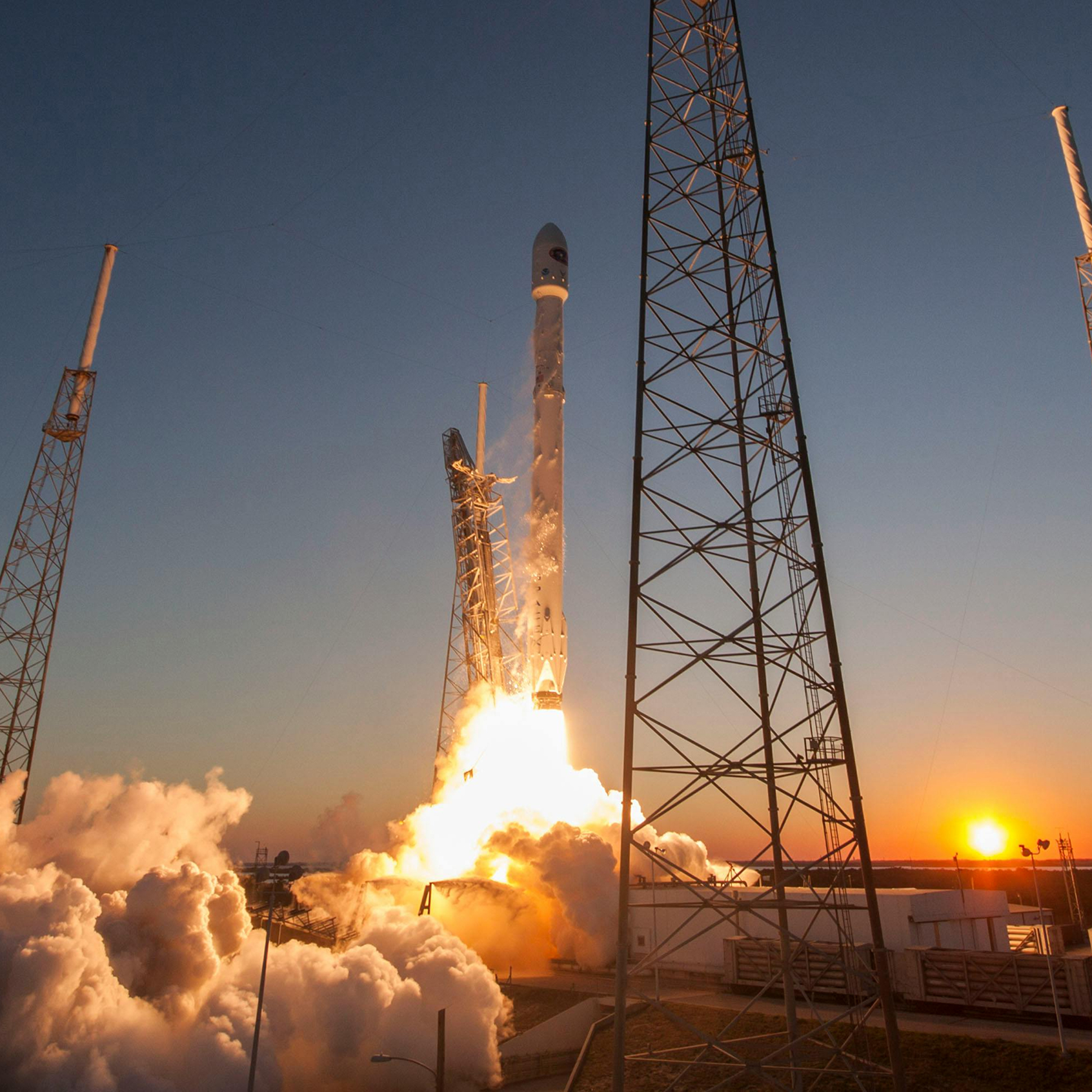
Radiation Protection for Long-Duration Missions
Cosmic radiation poses a major threat to astronauts on deep-space missions. No existing material currently combines low weight with high shielding effectiveness.
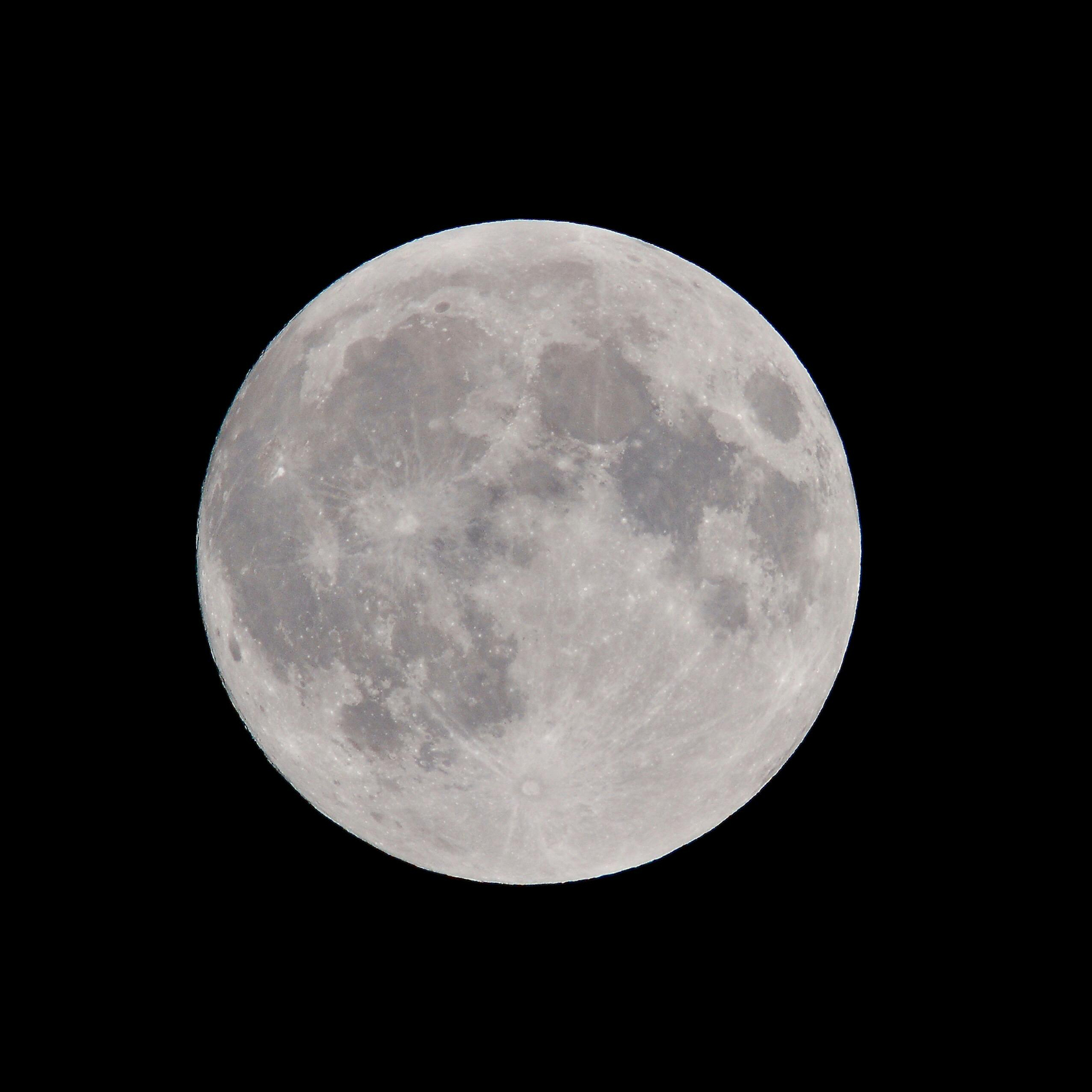
In-Situ Resource Utilization (ISRU) on the Moon
Sustained lunar missions are not economically viable without local resource use. Oxygen extraction from lunar regolith remains largely unproven at scale.
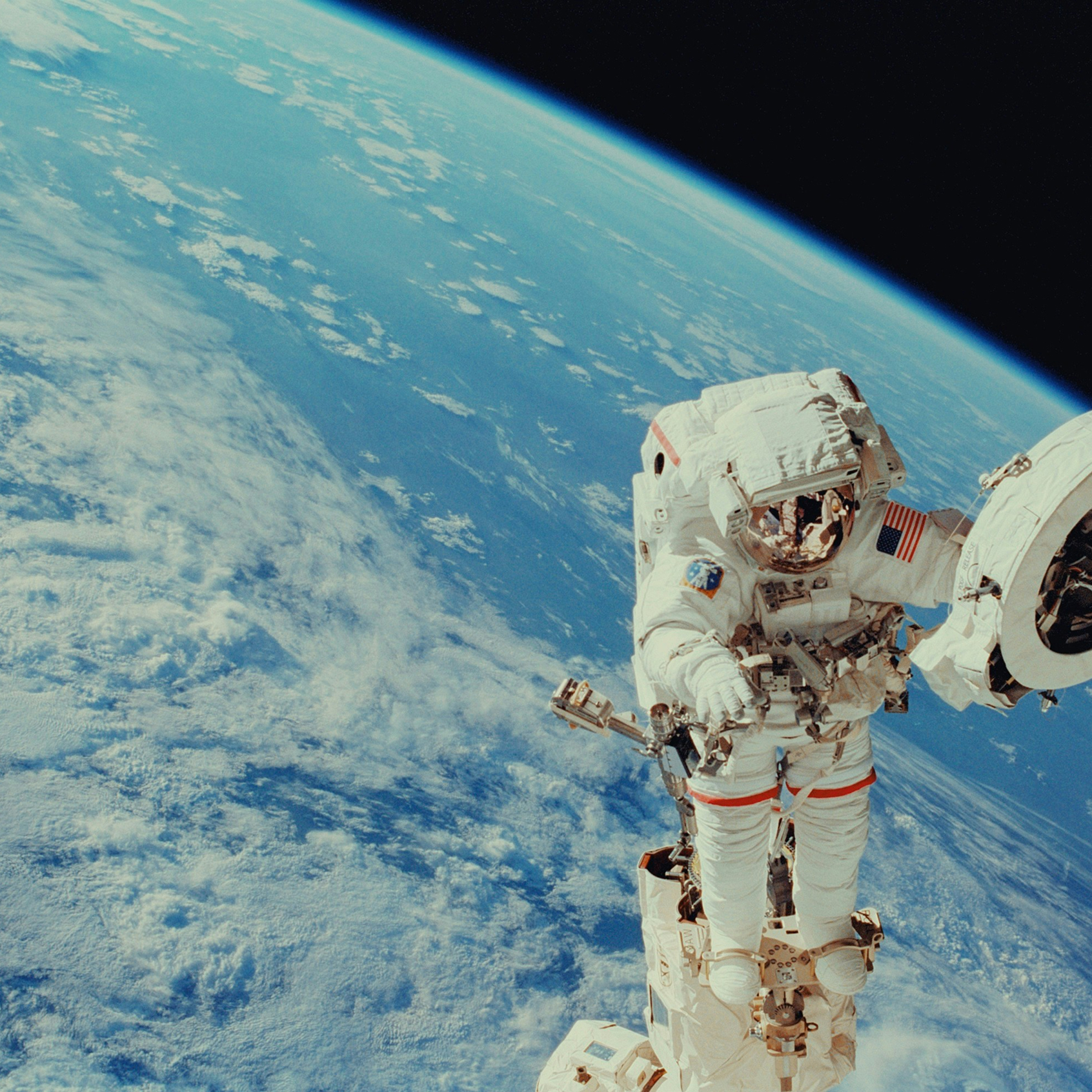
Mental Health in Space Missions
Isolation and psychological stress significantly impact astronaut performance and safety. There is a lack of advanced digital tools to actively monitor and support mental well-being in space.
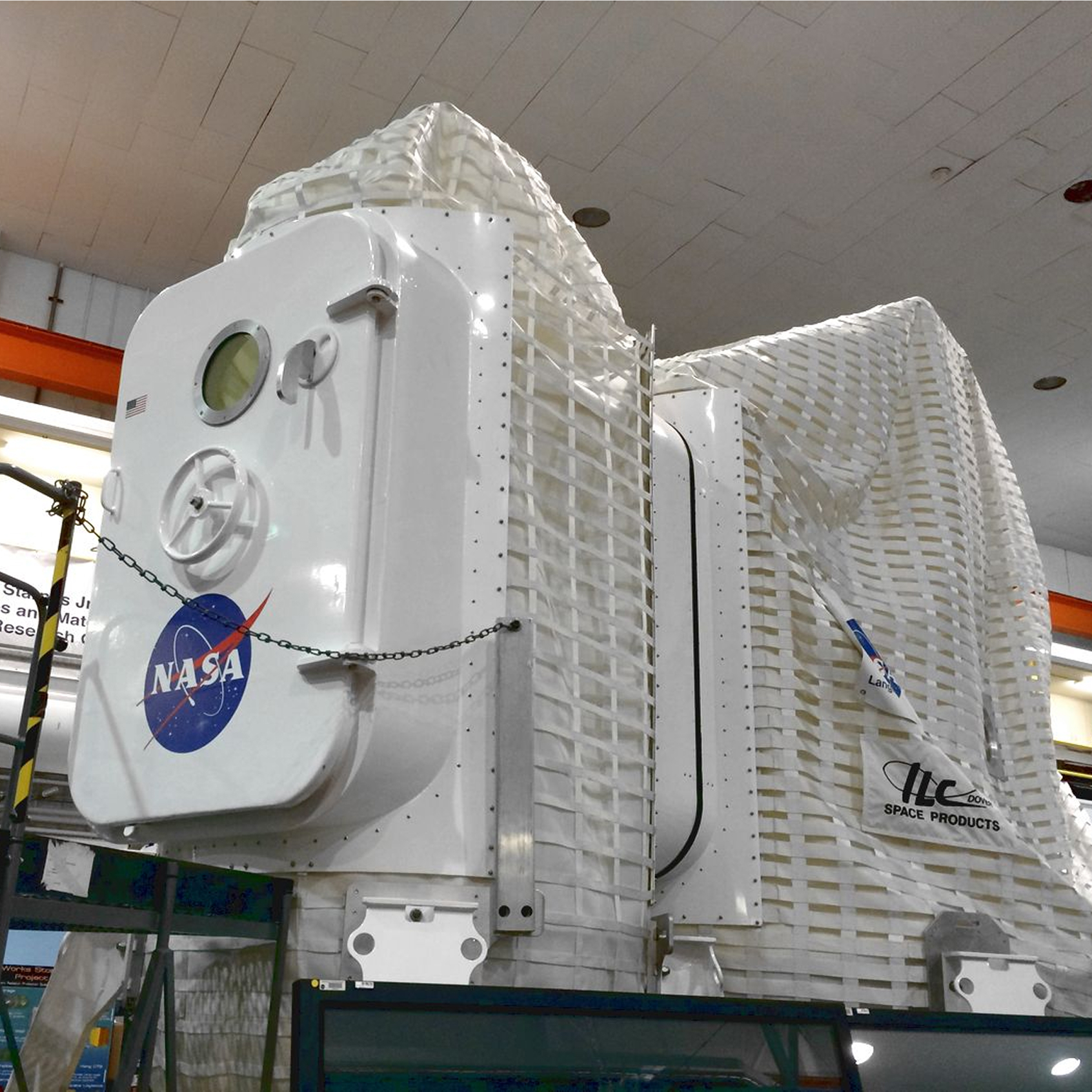
Self-Healing Materials for Space Habitats
Radiation-induced material degradation accumulates over time in space habitats. Conventional materials cannot self-repair, leading to gradual loss of structural and protective integrity.
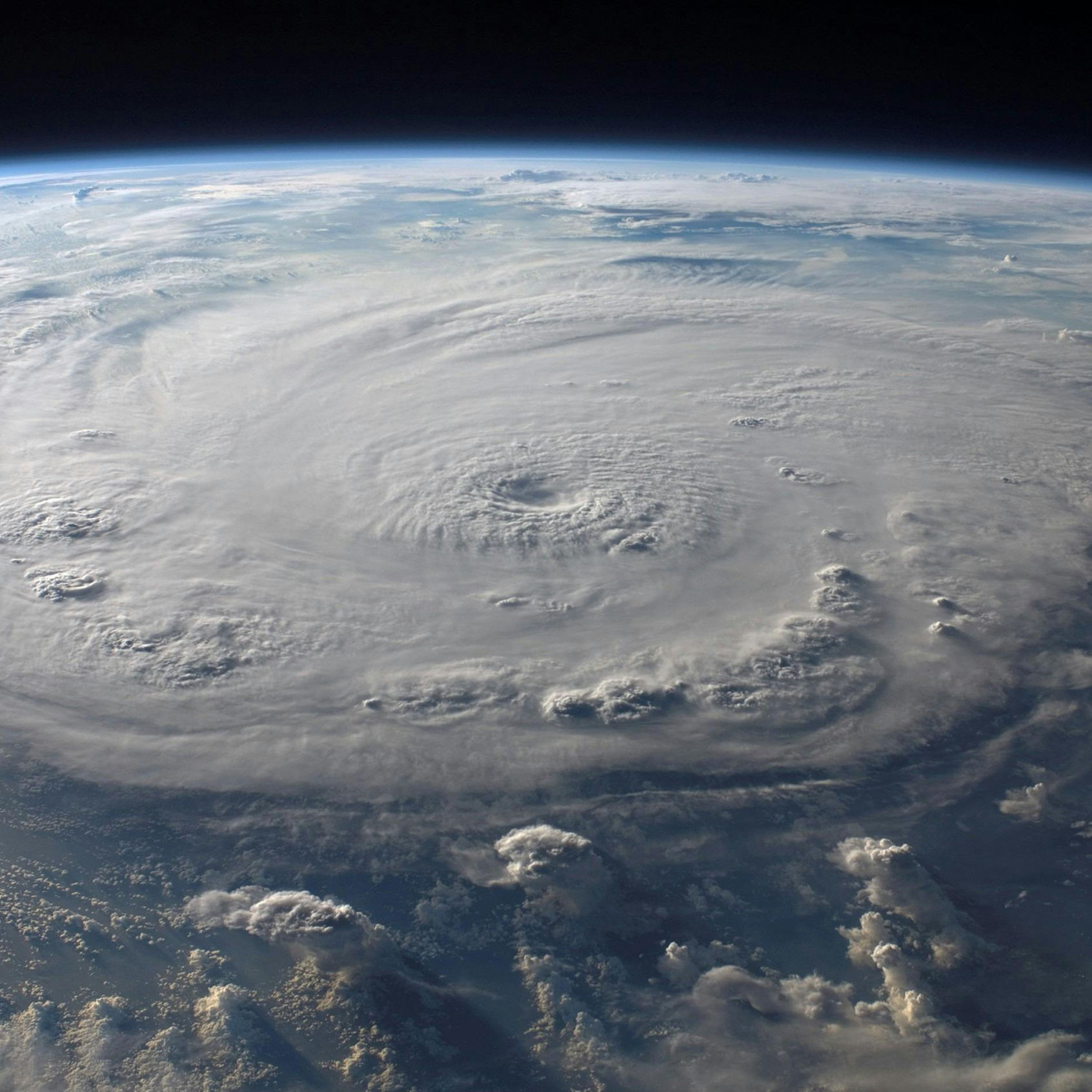
Solar Storm Early Warning Systems
Extreme solar events can damage satellites and infrastructure with little warning. Existing early warning systems are often too complex or inaccessible for non-expert users.

Space Sustainability Metrics
There is no standardized, transparent framework to evaluate and compare the environmental and operational footprint of space missions.
A space challenge for student-led projects

If selected, you will be supported through

Who can Apply? Teams in which all members meet the following criteria
Bachelor Students
Open to all Bachelor students.
Master Students
Open to all Master students.
PhD Students at ETH
Open to all PhD students at ETH Zurich.
The team must consist of at least two people
The Liftoff Challenge Timeline
Submit your proposal using the template provided here.
Receive feedback on whether your proposal was selected
The 20 most convincing teams will be invited to the kick-off event. You will receive 1000 CHF in financial support, as well as access to technical and business support.
Present your technical progress and initial market validation. The top 10 teams receive an additional 5’000 CHF to support your project and gain access to our business network.
Present your progress to a multidisciplinary jury. The top teams who commit to continue their development will receive an additional 10’000 CHF.
How the application
process works
FAQ